
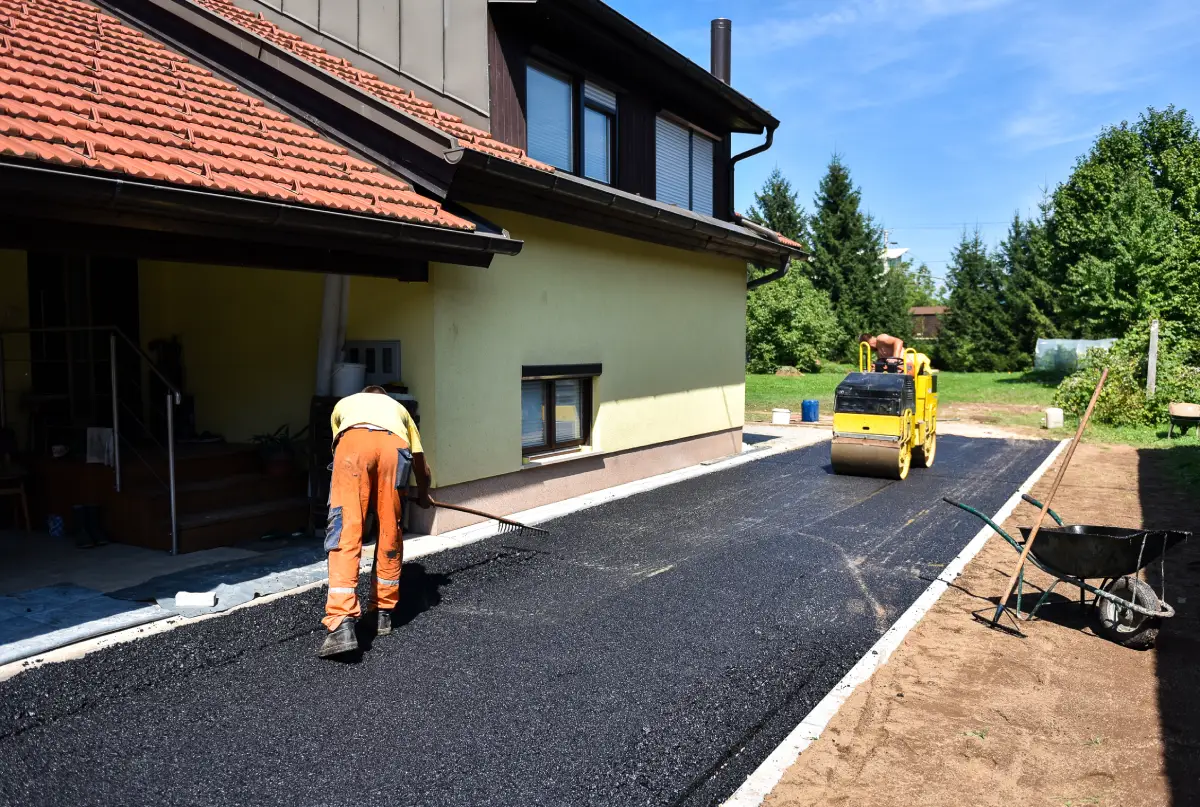
Every renovation starts with good intentions. Property owners invest in upgrades hoping to attract quality renters, increase property value, and reduce future maintenance concerns. Yet some of the most expensive improvements deliver the opposite result after several years of occupancy.
Materials that look impressive during a renovation may respond differently once tenants begin using them daily. As discussed in our article about smart property management tools, successful rental investments often depend on long-term efficiency rather than short-term visual appeal.
Before investing in your next improvement project, it helps to understand which renovations commonly lose practical value over time and which alternatives may provide better long-term performance.
Key Takeaways
- High-cost renovations do not always generate lasting value in rental properties.
- Durable materials often outperform luxury finishes over multiple lease cycles.
- Trend-based upgrades can become expensive to repair and replace.
- Flexible property features generally appeal to more renters.
- Practical renovation choices can reduce maintenance costs and improve returns.
The Difference Between Initial Value and Long-Term Value
A renovation's success should be measured over years rather than months. Rental properties experience unique conditions that affect how materials age and perform.
Tenant turnover, furniture movement, routine cleaning, and everyday use all place stress on property features. While luxury finishes may create an impressive first impression, they do not always deliver the strongest return on investment.
National rental demand remains steady, with vacancy rates reaching 7.1% in Q3 2025. In competitive rental markets like San Diego, property owners benefit most from upgrades that balance appearance with durability.
Hardwood Flooring Can Require More Maintenance Than Expected
Hardwood flooring remains one of the most popular upgrades among property owners. It offers a polished appearance and can make a rental property feel more upscale.
However, rental environments often reveal their weaknesses. Scratches, dents, and moisture-related damage can accumulate after years of occupancy.
The Hidden Cost of Refinishing
Maintaining hardwood floors may require periodic refinishing, which can increase turnover expenses and extend vacancy periods.
Some owners compare flooring choices with broader rental technology strategies when evaluating which improvements offer the greatest long-term value.
A More Practical Flooring Choice
Luxury vinyl plank continues to gain popularity because it provides:
- Greater resistance to moisture
- Better protection against scratches
- Easier cleaning during turnovers
- Lower replacement costs
These advantages often make it a better fit for rental properties.
Premium Carpet Can Lose Its Appeal Quickly
Carpet can add warmth and comfort to a home, but rental properties create challenges that shorten its lifespan.
Heavy foot traffic, spills, pet-related issues, and furniture movement can gradually diminish its appearance.
Looking Beyond Installation Expenses
The initial cost of carpet represents only part of the investment. Future cleaning, repairs, and replacement expenses should also be considered.
Many investors rely on a rental property assessment to evaluate how major upgrades may affect long-term profitability.
Hard-surface flooring options frequently provide stronger value because they remain attractive and functional for longer periods.
Custom Cabinets Can Create Repair Challenges
Custom cabinetry can make a kitchen stand out, but specialized finishes often become difficult to maintain after repeated tenant use.
Cabinet doors, corners, and hardware are exposed to constant wear. Over time, scratches and fading can affect their appearance.
Simpler Designs Often Last Longer
Neutral cabinet styles tend to remain attractive despite changing design preferences.
Property owners who prioritize functionality often find that practical design decisions support stronger rental performance than highly customized finishes.
Benefits of simpler cabinetry include:
- Easier touch-ups
- Lower repair costs
- Wider tenant appeal
- Greater design longevity
These advantages become increasingly valuable over multiple lease cycles.
Designer Fixtures Can Increase Long-Term Costs
Specialty lighting and decorative hardware can add character to a property, but they often introduce maintenance complications.
Replacement parts may become difficult to find, especially when products are discontinued.
Daily Use Creates Predictable Wear
Lighting fixtures experience constant use throughout the year. According to the U.S. Energy Information Administration, lighting accounts for approximately 3.4% of electricity use in residential properties.
Because these systems operate so frequently, maintenance needs eventually arise.
Property owners who prioritize year-round maintenance planning often favor standardized fixtures that simplify repairs and replacement.
Trend-Focused Kitchens Rarely Stay Current
Many kitchen renovations are built around current design trends. Unfortunately, trends tend to change much faster than renovation budgets.
Bold finishes, highly stylized backsplashes, and unique cabinet colors can quickly feel outdated.
Timeless Choices Offer Greater Stability
Neutral finishes and practical layouts continue appealing to renters regardless of changing design preferences.
Owners who focus on long-term usability rather than short-term trends often spend less on future updates while maintaining a stronger market appeal.
These choices also simplify repairs when replacement materials become necessary.
Built-In Features Can Limit Future Flexibility
Custom-built-ins may seem useful during a renovation project, but they can restrict how future tenants use a space.
Different renters have different needs, and highly specific layouts may not appeal to everyone.
Adaptability Creates Broader Appeal
Flexible spaces allow tenants to arrange furniture and personalize rooms according to their lifestyles.
Some landlords evaluate pet-friendly rental policies while planning upgrades because adaptable properties often attract a wider pool of applicants.
Versatility can become a significant advantage in long-term rental performance.
Luxury Bathrooms Can Become Maintenance-Intensive
Bathrooms are among the most heavily used spaces in any rental property. While luxury upgrades may create visual appeal, they often require more upkeep than practical alternatives.
Custom glass enclosures, specialty fixtures, and premium finishes can increase maintenance demands.
Durable Materials Often Produce Better Results
Many property owners achieve stronger long-term returns by focusing on products designed for durability.
Advantages often include:
- Easier cleaning between tenants
- Reduced repair complexity
- Better availability of replacement parts
- Improved performance under daily use
Many investors also utilize property owner resources to help guide renovation planning and maintenance decisions.
FAQs about Rental Renovations in San Diego, CA
What makes certain renovations more suitable for rental properties than others?
Rental-friendly renovations typically prioritize durability, easy maintenance, and broad tenant appeal. Improvements that withstand frequent use and require fewer specialized repairs often perform better over the long term than highly customized upgrades.
How can landlords balance property appearance with long-term operating costs?
Owners often achieve the best results by selecting attractive materials that also offer durability. A balanced approach helps maintain rental appeal while limiting future maintenance expenses and replacement needs.
Why do some expensive upgrades fail to deliver strong returns?
Certain renovations create ongoing costs that reduce their financial benefits over time. Repairs, specialized replacement parts, and higher maintenance demands can outweigh the value initially gained from premium installations.
Should renovation decisions be influenced by local rental market conditions?
Yes. Understanding renter expectations and neighborhood competition can help owners select upgrades that align with market demand while avoiding unnecessary spending on features that provide limited value.
How can property owners prepare for future maintenance when renovating?
Evaluating material durability, repair requirements, and replacement availability before installation can help reduce future expenses. Planning ahead often leads to more predictable maintenance costs and stronger long-term property performance.
Making Renovation Dollars Work Harder for Longer
Not every expensive upgrade becomes a valuable long-term asset. Properties that consistently perform well are often supported by renovation choices that reduce maintenance demands, remain functional through years of occupancy, and continue appealing to renters after multiple lease cycles.
At PMI San Diego, we help property owners evaluate improvements through a practical investment lens. Whether you're preparing for future tenants or reviewing existing property features, informed renovation decisions can support stronger financial outcomes. Extend your property's performance potential with our maintenance services and help your rental remain efficient, attractive, and well-maintained for years to come.
